Tree planting in Houston is one of the best investments you can make in a yard, and one of the easiest to get wrong. A live oak planted in the right spot can shade your house for generations. The same tree planted too deep, too close to the slab, or in a soggy low spot can struggle for years and die just as it starts to look established.
We select shade and ornamental trees for Houston soil and your specific site, plant them at the right depth, and leave you with a watering plan for the critical first two years. The best planting season here is fall through winter, when trees can grow roots before summer heat arrives.
What's under it · tap a layer
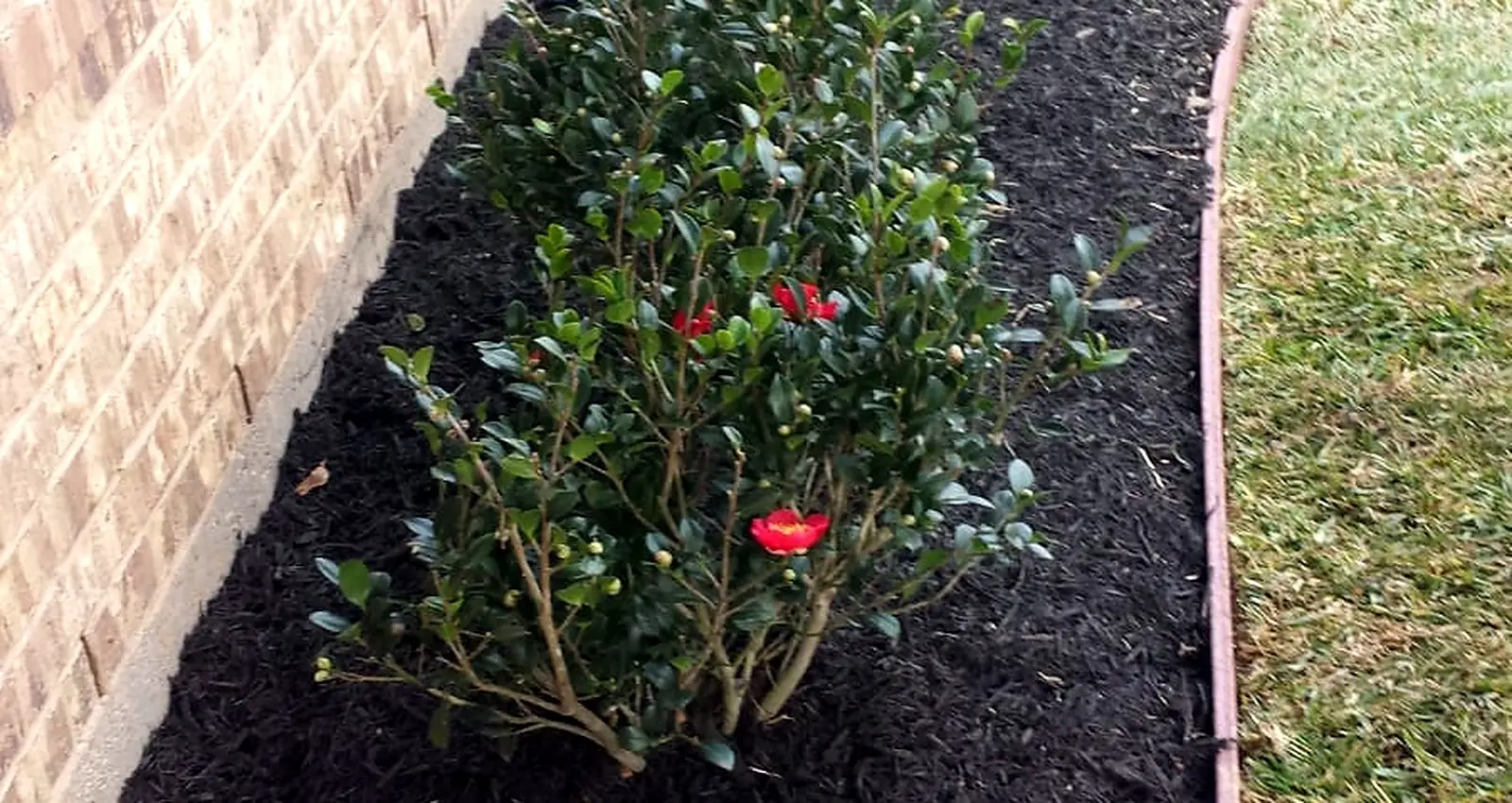
Hardwood mulch. A layer over the soil that holds moisture, evens out soil temperature and keeps weeds down.
01
When to Plant Trees on Your Property
New construction lots often have one small builder tree in the front and nothing in the back. Older yards may have lost trees to storms, drought, or disease. Either way, a planned planting adds shade, privacy, and value. In Houston, a tree on the west or south side of the house can cut afternoon heat on walls and windows in summer.
Timing matters. Fall through winter is the best window for planting trees in Houston. The air is cooler, which reduces stress on the top of the tree, and the soil stays warm enough for roots to grow. A tree planted in October has months to settle in before July. Trees can be planted in spring and summer, but they need much more watering.
02
How Tree Planting Works in Houston Clay
The most important rule is depth. The root flare, where the trunk widens at the base, should sit at or slightly above the surrounding grade. Trees planted too deep slowly suffocate. In heavy clay, setting the root ball a little high helps keep the trunk base dry. The hole should be two to three times as wide as the root ball but no deeper, so the tree does not settle.
We backfill mostly with native soil rather than heavy amendments. If the hole is filled with rich, loose soil inside clay, it acts like a pot, holding water and keeping roots from spreading. Rope, burlap, and wire baskets are removed from the top of the root ball, and circling roots on container trees are loosened or cut.
03
Our Tree Planting Process
Each tree gets the same careful sequence, whether it is a single ornamental or a row of shade trees.
- Site visit to check space, sun, soil drainage, and distance from the slab, lines, and walks
- Species selection based on Mature sizeThe height and spread a plant reaches when fully grown. Spacing, measured center to center, should be set by this size, not by the plant's size on delivery day. In practice: Overplanting small shrubs against a house leads to crowding, poor airflow and moisture against the foundation within a few years. and site conditions
- Utility locates through 811 before digging
- Dig a wide, shallow hole and confirm the root flare sits at or above grade
- Remove wraps and baskets, loosen circling roots, and set the tree straight
- Backfill with native soil, water in to settle, and build a shallow watering ring
- MulchA layer of organic or mineral material spread over soil to hold moisture, moderate soil temperature and suppress weeds. In practice: In heavy rain, light mulch can float and wash onto paving. Placement and edging should account for water flow. two to three inches deep, kept away from the trunk
- Stake only if needed, and provide a written watering schedule
04
Trees That Thrive in Houston
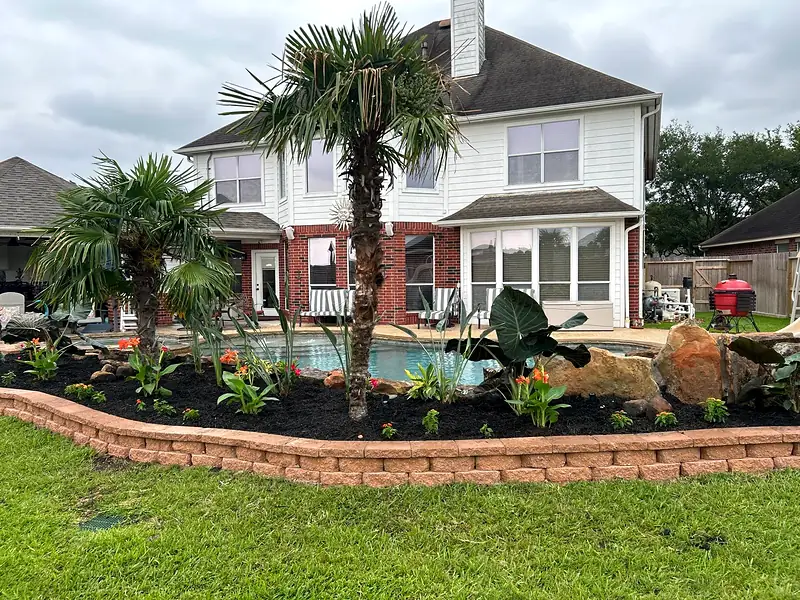
Live oak is the iconic Houston shade tree: long-lived, wind-firm, and evergreen, but it needs room to spread. Cedar elm is a tough native that handles clay and drought. Bald cypress tolerates wet ground, which makes it a strong choice near bayous, ponds, and low areas. Mexican sycamore grows fast with striking silver-white bark and gives shade sooner.
For smaller spaces, crape myrtle offers summer color and comes in sizes from shrubs to small trees. Yaupon holly is a native evergreen with winter berries, good for privacy screens and narrow beds. Other options include Drummond red maple for wetter sites and Texas redbud for spring flowers. Trees come in a range of container sizes; larger trees give instant presence but need more water and care while establishing.
05
Tree Planting Cost Factors in Houston
Tree size is the biggest factor. Larger container trees cost more, weigh more, and may need equipment and several crew members to place. Species also affects price. Access matters, especially for backyards with narrow gates.
Other factors include removal of old stumps or roots, soil corrections for wet spots, irrigation adjustments or bubblers for the new trees, and the number of trees planted. Our ballpark price tool gives you a rough range.
06
Tree Planting Mistakes We See
Planting too deep is the most common, often made worse by volcano mulching, where mulch is piled against the trunk. Both trap moisture at the bark and invite rot. Another is planting a large shade tree a few feet from the slab or under power lines, which creates problems as the tree grows.
We also see trees left staked for years, with ties cutting into the bark, and trees watered by a lawn sprinkler that never reaches the root ball. New trees need deep, slow water at the root zone, especially in their first two summers.
07
Services That Pair With Tree Planting
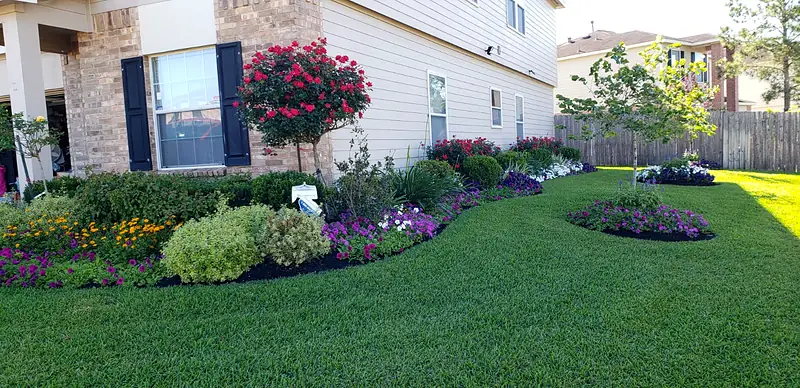
Trees are often part of a larger landscape installation or backyard landscaping project. Bubblers or drip from irrigation system installation keep new trees watered without overwatering the lawn. Uplighting from landscape lighting installation makes a mature canopy a nighttime feature.
Tree planting is part of our landscaping service in Houston.
08
Why Texas Urban Elements for Tree Planting
A Home Scout visits your property and helps choose species and locations based on space, sun, drainage, and what you want the tree to do, whether that is shade, screening, or color. Our planting plans place trees with mature size in mind, away from slabs and utilities.
The same team handles grading, irrigation, and planting, so new trees get proper water from day one. Our irrigation work is TDLR licensed. Every proposal is itemized and covered by our price-what-we-quote guarantee, and we have served Houston homeowners since 2016.
Tree Planting Questions
When is the best time to plant trees in Houston?
Fall through winter is the best time, roughly October through February. Cooler air reduces stress on the leaves and branches, while the soil stays warm enough for root growth. Trees planted then have months to establish before summer heat. Spring planting works but requires more consistent watering through the first summer.
How far from the house should I plant a tree?
It depends on mature size. Large shade trees such as live oaks should generally be planted well away from the foundation, often twenty feet or more, while small ornamentals like crape myrtle and yaupon can sit closer. Also consider overhead lines, walks, and driveways. Planning for mature size prevents root and limb conflicts later.
How often should I water a newly planted tree?
Water deeply at the root ball two to three times a week for the first few weeks, then taper to about once a week through the first year, adjusting for rain and heat. In the second summer, continue deep watering during dry spells. Slow, deep water at the root zone is better than frequent shallow sprinkling.
What is the fastest-growing shade tree for Houston?
Mexican sycamore is one of the faster-growing shade trees for Houston, with attractive silver bark. Bald cypress also grows relatively quickly, especially in moist soil. Live oaks and cedar elms grow more slowly but are long-lived and very durable. Fast growth is useful, but choose for the site and the long term first.
Related Services in Houston
- Garden Design Houston
Planting plans built for Houston heat, clay and shade: bed layouts, plant palettes and soil prep drawn into your landscape design.
- Irrigation System Installation Houston
Smart irrigation systems sized to your lot's water requirements and designed around your sod species and sun exposure.
- Curb Appeal Landscaping Houston
Front yard, entry walk, and driveway edge improvements that change how the house reads from the street.
- Sod Installation Houston
St. Augustine, Bermuda, and Zoysia sod installed after grading and drainage are confirmed, not before.
- Artificial Turf Installation Houston
Low-maintenance turf installed on a compacted decomposed granite base with proper subsurface drainage.
- Flower Bed Installation Houston
Defined flower and plant beds with proper edging, amended soil, and species selected to thrive in Houston's heat and humidity.
Tree Planting is part of our Landscaper Houston services. Texas Urban Elements is a landscape designer in Houston that designs and builds every part of the yard.
Need an Assessment?
We assess your yard and provide a permanent solution. Professional project consultation. A Home Scout personally visits every property.
What you get
- A Home Scout on siteA trained scout walks and measures every property before a proposal is written.
- Itemized written proposalPriced line by line, and we price what we quote.
- One team, every tradeNo subcontractor hand-offs between drainage, base and finish.
- 72-hour walkthroughWe come back after completion to check the work with you.
- Backed by guaranteesDrainage Performance Guarantee and a structural warranty on hardscape.
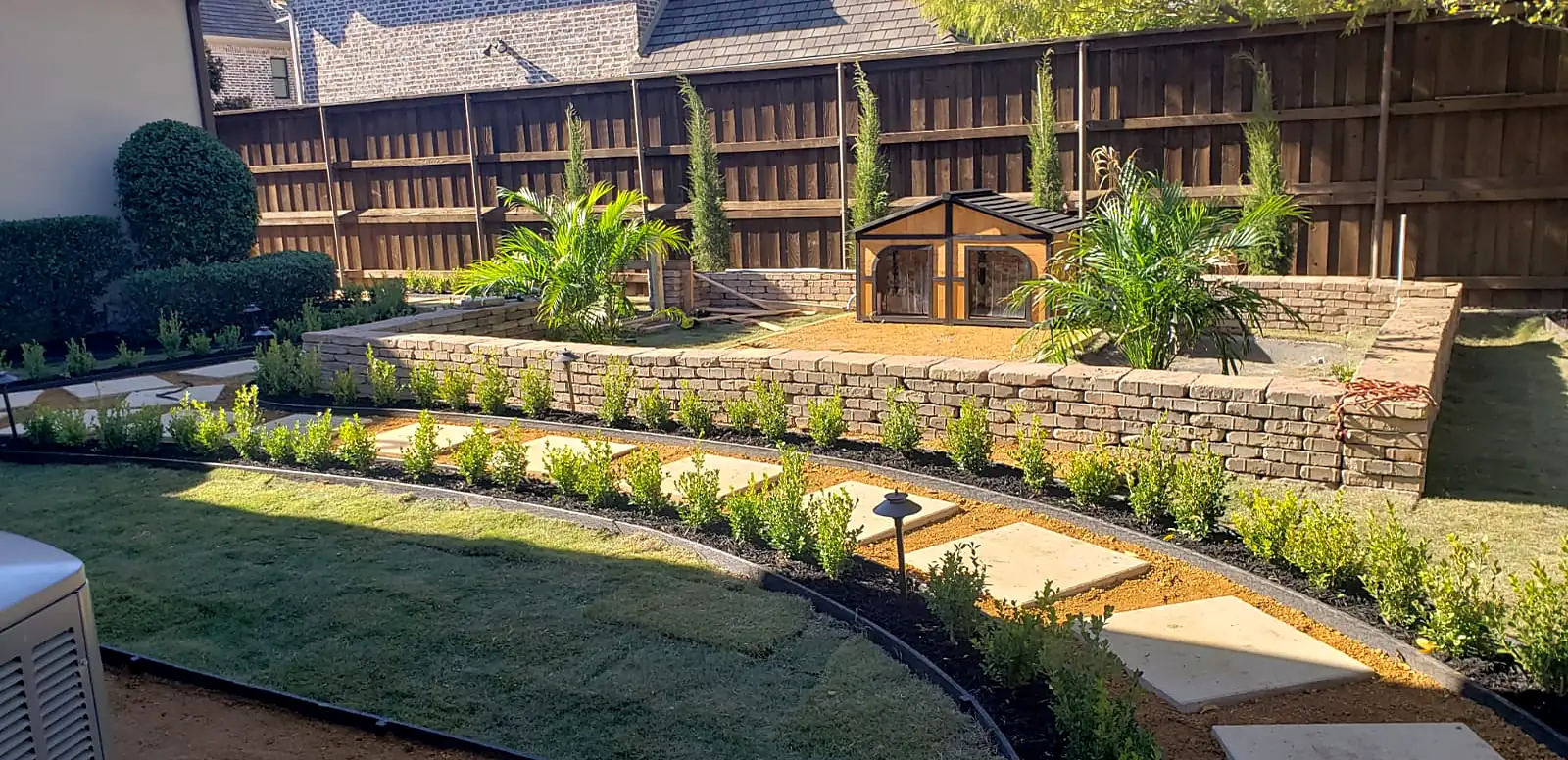
Texas Urban Elements job photos
Tree Planting jobs in Houston
Photos from our own projects, edited for the web. Tap a thumbnail to see it larger.
Let's Get Started
Don't wait until the problem gets worse. Schedule your professional project consultation today.
For a full overview of landscaper options in Houston, see our Landscaper Houston page.